
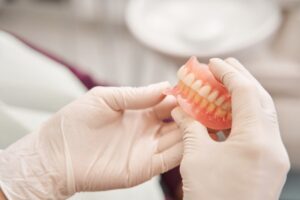
Dentures are designed to restore your ability to eat, speak, and smile with confidence. However, when dentures don’t fit properly, they can cause a range of uncomfortable and even serious oral health issues. Over time, changes in your jawbone and gums can affect how your dentures fit, making regular adjustments essential. Here are 5 common complications of ill-fitting dentures and why it’s important to address them.
1. Sore Spots and Irritation
One of the most immediate effects of ill-fitting dentures is discomfort. Dentures that are too loose or too tight can rub against your gums, causing sore spots, redness, and irritation.
These pressure points can make it painful to eat or speak and may worsen over time if not corrected. Persistent irritation can also lead to inflammation and increase the risk of infection.
2. Difficulty Eating and Speaking
Dentures that don’t fit properly can shift or slip when you talk or chew. This can make it difficult to pronounce certain words clearly or enjoy your favorite foods.
You may find yourself avoiding certain foods altogether, which can impact your nutrition. Poorly fitting dentures can also affect your confidence in social situations, especially if you’re worried about them moving out of place.
3. Increased Risk of Infection
Ill-fitting dentures can create small gaps where food particles and bacteria can accumulate. This can lead to infections such as denture stomatitis, which is characterized by redness, swelling, and discomfort in the tissues beneath the dentures.
Poor fit can also contribute to bad breath and an overall decline in oral hygiene if not properly addressed.
4. Bone Loss and Facial Changes
When dentures don’t fit well, they may not provide the proper support your jawbone needs. Over time, this can accelerate bone loss in the jaw, a natural process that occurs after tooth loss.
As the bone shrinks, dentures can become even looser, creating a cycle of worsening fit. This can also lead to changes in your facial appearance, such as a sunken or aged look.
5. Gum Overgrowth or Ulcers
Chronic irritation from poorly fitting dentures can cause the gums to react in different ways. Some patients may develop areas of excess tissue growth, while others may experience painful ulcers.
These conditions can make wearing dentures uncomfortable and may require professional treatment to resolve. Ignoring these symptoms can lead to more serious oral health issues over time.
Protecting Your Oral Health
Ill-fitting dentures are more than just an inconvenience; they can significantly impact your oral health and quality of life. If your dentures feel loose, uncomfortable, or cause irritation, it’s important to see your dentist as soon as possible.
Regular dental visits allow your dentist to check the fit of your dentures and make adjustments or recommend replacements when needed. Proper cleaning and care at home also help maintain a healthy oral environment.
Well-fitting dentures should feel secure and comfortable, allowing you to eat, speak, and smile with ease. Addressing fit issues early can prevent complications and help you maintain better oral health.
About the Author
Dr. Jordan Broaddus is a graduate of the University of Louisville School of Dentistry. He served in the U.S. Army for 5 years before going into private practice. A native of Louisville, Dr. Broaddus loves helping people love their smiles again while uplifting their health and getting to know them. Are you interested in dentures to restore your smile? If so, book an appointment with us online or call (561) 686-2077.